30.09.2022
REGENERATIVE MEDICINE - STEM CELL
What are stem cells, and what do they do?
Stem cells hold up considerable potential for innovative medical therapies. Find out more about the different types of stem cells, their present and future applications, and the current state of science and clinical practice.
How do stem cells work?
The master cells of the organism are stem cells.
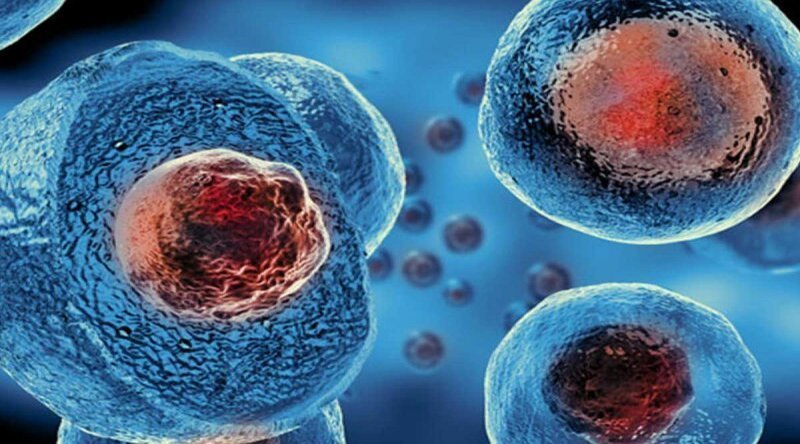
The body's building blocks are stem cells, which are cells that give rise to all other cells with specific roles. Daughter cells are created when stem cells divide properly in the body or a laboratory to create more cells.
These daughter cells either develop into fresh stem cells or into differentiated cells with a more specific role, such bone, blood, brain, or heart muscle cells. No other cell in the body has the capacity to naturally produce different cell types.
Why are stem cells gaining so much interest?
Researchers are hoping that research on stem cells will:
Increase knowledge about disease etiology. Researchers may gain a better understanding of how illnesses and problems arise by observing stem cells develop into cells in bones, heart muscle, neurons, and other organs and tissue.
Create disease-free cells to replace unhealthy ones (regenerative medicine). It is possible to direct stem cells to differentiate into particular cells that can be employed in individuals to regenerate and restore tissues that have been harmed or impacted by illness.
Spinal cord injuries, type 1 diabetes, Parkinson's disease, amyotrophic lateral sclerosis, Alzheimer's disease, heart disease, stroke, burns, cancer, and osteoarthritis are among the conditions that stem cell therapy may help.
Stem cells may be able to be grown into new tissue for use in transplantation and regenerative medicine. Researchers are continuing to learn more about stem cells and their applications in transplant and regenerative medicine.
What is the origin of stem cells?
Stem cells can be obtained from a variety of sources, including:
- Stem cells from embryos
These stem cells are derived from 3 to 5 day old embryos. At this stage, an embryo is known as a blastocyst and contains approximately 150 cells.
These are pluripotent stem cells (ploo-RIP-uh-tunt), which means they can divide into more stem cells or become any type of cell in the body. Because of their adaptability, embryonic stem cells can be used to regenerate or repair diseased tissue and organs.
- Adult stem cells
Most adult tissues, such as bone marrow and fat, contain a small number of these stem cells. Adult stem cells, in comparison to embryonic stem cells, have a more limited ability to give rise to various body cells.
Adult stem cells were thought to only be capable of producing similar types of cells until recently. For example, researchers previously believed that stem cells found in bone marrow could only give rise to blood cells.
However, new evidence suggests that adult stem cells can generate a variety of cell types. Bone marrow stem cells, for example, may be able to generate bone or heart muscle cells.
This research has resulted in early-stage clinical trials to assess the usefulness and safety of the product in humans. Adult stem cells, for example, are currently being tested in people suffering from neurological or cardiovascular disease.
- Adult cells that have been modified to resemble embryonic stem cells
Using genetic reprogramming, scientists successfully transformed regular adult cells into stem cells. Researchers can reprogram adult cells to behave like embryonic stem cells by modifying their genes.
This new technique may allow for the use of reprogrammed cells rather than embryonic stem cells, as well as the prevention of immune system rejection of the new stem cells. However, scientists are unsure whether using altered adult cells will have a negative impact on humans.
Researchers were able to reprogram ordinary connective tissue cells to become functional heart cells. Animals with heart failure who were given new heart cells improved their heart function and survival time in studies.
- Perinatal stem cells
Researchers discovered stem cells in amniotic fluid and umbilical cord blood. These stem cells have the ability to differentiate into specialized cells.
Amniotic fluid fills the sac that surrounds and protects the developing fetus in the uterus. Researchers discovered stem cells in amniotic fluid samples taken from pregnant women for testing or treatment — a procedure known as amniocentesis.
What is stem cell therapy (regenerative medicine) and how does it work?
Stem cell therapy, also known as regenerative medicine, uses stem cells or their derivatives to promote the repair response of diseased, dysfunctional, or injured tissue. It is the next step in organ transplantation and uses cells rather than donor organs, which are in short supply.
In a laboratory, stem cells are grown. These stem cells are programmed to differentiate into specific cell types, such as heart muscle cells, blood cells, or nerve cells.
After that, the specialized cells can be implanted into a person. If the person has heart disease, for example, the cells could be injected into the heart muscle. The healthy heart muscle cells that were transplanted could then help to repair the injured heart muscle.
Adult bone marrow cells guided to become heart-like cells have already been shown to repair heart tissue in humans, and more research is being conducted.
Have stem cells been used to treat diseases before?
Yes. Stem cell transplants, also known as bone marrow transplants, have been performed by doctors. Stem cells are used in stem cell transplants to replace cells damaged by chemotherapy or disease, or to help the donor's immune system fight certain types of cancer and blood-related diseases such as leukemia, lymphoma, neuroblastoma, and multiple myeloma. Adult stem cells or umbilical cord blood are used in these transplants.
Adult stem cells are being tested to treat a variety of conditions, including a number of degenerative diseases such as heart failure.
By Recmed Medical - Regenerative Medicine Doctors and Stem Cell Department